
World Sparrow Day: How Pet Product Distributors Can Support Bird Conservation
Every year on March 20, people around the world celebrate World Sparrow Day to raise awareness about the declining population of sparrows. Once one of the most common birds in Indian cities, sparrows are now rarely seen in many urban areas. Rapid urbanisation, pollution, and loss of natural habitats have significantly reduced their numbers. In regions like Rajkot, Saurashtra, and Kutch, environmental awareness is becoming increasingly important. While individuals can contribute by feeding birds and providing water, businesses also have a role to play in supporting bird conservation.
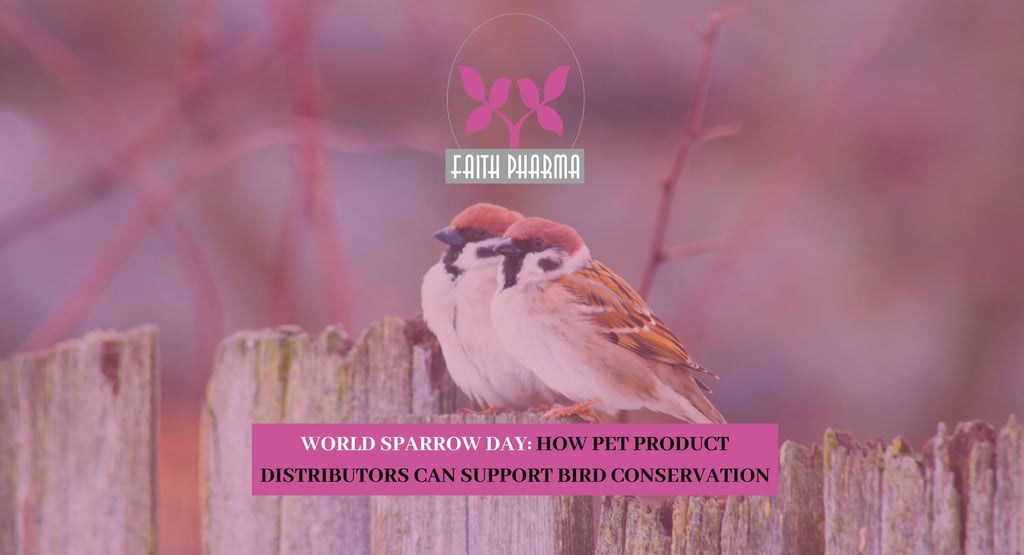
Companies involved in animal care industries—especially pet product distributors, pet food suppliers, and animal care networks—can contribute significantly to bird conservation awareness. By promoting responsible practices and community awareness, businesses can help create a better ecosystem not only for pets but also for birds like sparrows.
Understanding World Sparrow Day
World Sparrow Day was first celebrated in 2010 to highlight the rapid decline of sparrow populations worldwide. The initiative aims to encourage people to protect sparrows and promote bird-friendly environments in cities and towns.
Sparrows are not just small birds that chirp outside our windows. They play an important role in maintaining ecological balance. These birds help control insect populations and contribute to biodiversity in urban environments.
However, in recent years, their presence has decreased dramatically in many Indian cities due to modernisation and environmental changes.
Why Sparrow Population Is Declining in India
1. Urban Development and Modern Buildings
Modern buildings often lack small cavities and spaces where sparrows traditionally built their nests. Earlier houses had tiled roofs and open ventilation spaces that allowed birds to nest easily.
2. Reduced Food Sources
In the past, local markets and grain shops provided plenty of food sources for sparrows. Today, improved packaging systems and cleaner markets have unintentionally reduced grain availability for birds.
3. Pollution and Environmental Changes
Air pollution, noise pollution, and urban infrastructure have altered natural bird habitats, making survival difficult for many species.
4. Climate Conditions
Areas like Saurashtra and Kutch experience intense summer heat. Without access to water sources, sparrows struggle to survive in urban environments.
Importance of Sparrows in the Ecosystem
Sparrows may appear small and insignificant, but they contribute greatly to ecological stability.
Natural Pest Control
Sparrows feed on insects, helping control pest populations naturally.
Ecological Balance
Bird species play a key role in maintaining biodiversity and a balanced food chain.
Environmental Indicators
A declining sparrow population often indicates environmental problems such as pollution and habitat loss.
Protecting sparrows, therefore, means protecting the overall health of our environment.
How Pet Product Distributors Can Support Bird Conservation
Pet product distributors operate within the broader animal care ecosystem. Their networks include pet shops, veterinarians, wholesalers, and retailers. This unique position allows them to promote environmental awareness and conservation initiatives.
1. Promoting Bird-Friendly Awareness
Pet product distributors can educate retailers and customers about bird conservation. Posters, awareness campaigns, and informational blogs can highlight simple actions people can take to help sparrows.
2. Supporting Bird Feeding Initiatives
Encouraging communities to place grain feeders and water bowls on balconies, rooftops, and gardens can help sparrows survive, especially during hot summer months. Distributors can collaborate with pet stores to promote bird feeders and natural grain mixes suitable for small birds.
3. Encouraging Sustainable Animal Care
Businesses in the pet industry can promote eco-friendly practices, such as sustainable packaging and environmentally responsible distribution methods. This approach supports wildlife protection and builds a positive brand image.
4. Community Awareness Campaigns
Distributors operating in regions like Rajkot, Saurashtra, and Kutch can organise community initiatives such as:
Sparrow feeding drives
Summer water bowl campaigns
Awareness sessions in schools
Social media campaigns promoting bird conservation
These initiatives not only help sparrows but also strengthen community relationships.
Simple Ways Individuals Can Help Sparrows
Even small actions can make a big difference in protecting sparrows.
Place Water Bowls on Balconies and Terraces
During summer months, sparrows often struggle to find water. Keeping a small bowl of fresh water can help them survive.
Provide Natural Grains
Grains such as wheat, rice, and bajra are safe and nutritious for sparrows.
Install Sparrow Nest Boxes
Wooden nest boxes provide safe spaces for sparrows to build nests and raise their young.
Grow Bird-Friendly Plants
Plants and small shrubs can create natural habitats for birds in urban spaces.
Avoid Harmful Pesticides
Chemical pesticides reduce insect populations that birds rely on for food.
The Role of Local Businesses in Rajkot and Gujarat
Local businesses can play a powerful role in spreading awareness. When companies actively participate in environmental initiatives, they inspire communities to take action.
For example, pet product distributors and animal care businesses can:
Share educational blogs about bird conservation
Promote sparrow-friendly initiatives among retailers
Encourage customers to support wildlife awareness campaigns
Participate in environmental events and awareness programs
Such activities strengthen brand trust while contributing positively to society.
Building Bird-Friendly Cities in India
Urban planning and community participation are essential for protecting sparrows and other bird species.
Cities can become bird-friendly by:
Encouraging green spaces
Installing bird feeders in parks
Promoting eco-friendly urban design
Educating communities about wildlife protection
When individuals, businesses, and communities work together, it becomes possible to restore sparrow populations.
FAQs About Sparrow Conservation
Why is World Sparrow Day important?
World Sparrow Day raises awareness about the declining population of sparrows and encourages conservation efforts worldwide.
How can people help sparrows in cities?
Providing water bowls, grains, and nest boxes are simple ways to help sparrows survive in urban environments.
What food is safe for sparrows?
Natural grains such as wheat, millet, and rice are commonly eaten by sparrows.
Can businesses contribute to bird conservation?
Yes. Businesses can promote awareness campaigns, support eco-friendly initiatives, and encourage community participation in wildlife protection efforts.
Creating Awareness Through Responsible Business
Today’s consumers prefer businesses that care about environmental sustainability and community welfare. Companies in the pet care and animal product industry are uniquely positioned to promote responsible practices that support both pets and wildlife.
By supporting initiatives related to sparrow conservation, businesses can contribute to a healthier ecosystem while also building stronger relationships with their customers and communities.
Conclusion: Protecting Sparrows for Future Generations
The cheerful chirping of sparrows once symbolized everyday life in Indian neighborhoods. Their decline is a reminder that urban development must coexist with nature.
This World Sparrow Day, let us take a moment to reflect on the importance of protecting these small yet significant birds.
Whether you are a resident, retailer, or business owner, simple actions—such as providing water, grains, and nesting spaces—can help restore sparrow populations.
When communities, businesses, and environmental initiatives come together, we can create a future where sparrows continue to thrive in cities like Rajkot and across India.
© 2024 Faith Pharma. All rights reserved.